XLPE vs EP: Performance Comparison for High-Temp Industrial Cables
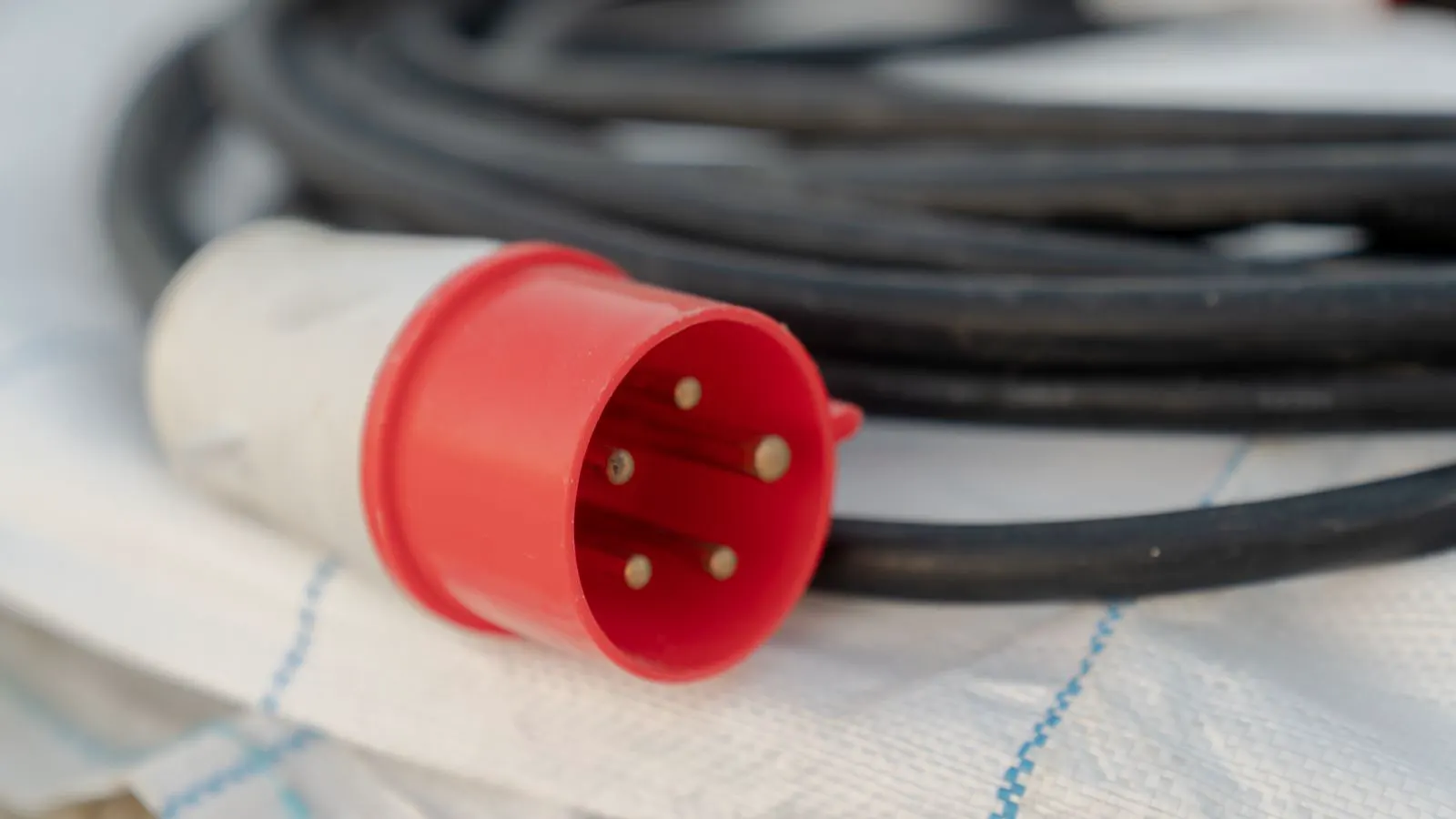
XLPE insulation handles higher continuous temperatures and offers better chemical resistance than EP, but EP is often cheaper and easier to process. The right choice depends on your operating temperature, chemical exposure, and mechanical stress requirements.
- XLPE insulation supports higher continuous operating temperatures than EP, making it suitable for industrial heat sources.
- EP is generally less expensive and easier to manufacture, but it degrades faster under heat and chemical stress.
- Mechanical flexibility matters: XLPE resists cracking and brittleness better than EP in cold or vibration-heavy environments.
- Always match insulation to the cable's voltage class, bend radius, and environmental exposure.
- When in doubt, request a sample cable and run a thermal cycling test before committing to a large order.
Thermal Performance in Industrial Environments
XLPE insulation and EP insulation behave very differently when exposed to heat. The core difference lies in the polymer structure. XLPE, or cross-linked polyethylene, uses a chemical process to create a three-dimensional network of covalent bonds. This structure gives the material high thermal stability and resistance to deformation. EP, or ethylene propylene, lacks this cross-linking. It is a linear polymer that flows and deforms as temperature rises.
In an industrial plant, the cable may run near a furnace, a steam line, a motor housing, or a heat exchanger. The insulation must survive not just the average temperature, but the thermal peaks. A cable that operates at 70 degrees Celsius for hours every day will age faster than one sitting at 40 degrees. The heat accelerates chemical reactions within the polymer. XLPE tolerates that cycle with less degradation because the cross-links prevent the polymer chains from sliding past one another.
The difference is not only about maximum temperature. It is about how the material ages over time. EP tends to oxidize and embrittle when heated. The linear chains break down more easily, leading to a loss of dielectric properties. XLPE resists oxidation better because of its cross-linked structure. That cross-linking is what gives the material its long-term stability. It also maintains its insulation resistance better under thermal stress, which is critical for preventing partial discharge in high-voltage applications.
Mechanical Strength and Flexibility
Cables in industrial settings are not always static. They move. They bend. They vibrate. They get pulled during installation. The insulation must keep its shape and integrity under those forces.
XLPE insulation offers better mechanical resilience. It resists cracking when bent repeatedly. It also handles cold better. If a cable is installed in a cold area and then brought into service, EP can become brittle. XLPE stays flexible at lower temperatures. This flexibility is a function of the molecular structure. The cross-links in XLPE allow the material to maintain a rubbery consistency even when the temperature drops, whereas the linear chains in EP pack tightly and lose mobility.
This matters in outdoor or unheated plant areas. A cable that is pulled through a conduit in winter will stress the insulation. EP may develop micro-cracks at the bend. Those cracks let moisture in and weaken the dielectric. Over time, that leads to premature failure. The moisture creates a conductive path that lowers the insulation resistance and can trigger short circuits.
Chemical Resistance and Environmental Exposure
Industrial environments are harsh. Cables may sit near oil, coolant, cleaning solvents, or dust. The insulation must not absorb those chemicals or degrade from them.
XLPE insulation has better chemical resistance to many common industrial fluids. It does not swell or soften when exposed to hydrocarbons or some solvents. The dense cross-linked structure makes it difficult for chemicals to penetrate the polymer matrix. EP is more vulnerable to certain chemicals. It can absorb oils and become sticky or brittle. The linear structure of EP allows polar and non-polar solvents to interact more easily with the polymer chains, leading to swelling, softening, or embrittlement.
This is a common point of failure in machinery. A cable routed near a hydraulic line or a coolant reservoir will age faster if the insulation is not rated for the chemical environment. The conductor may be fine, but the insulation fails first. When the insulation degrades, it loses its dielectric properties. This increases the risk of leakage current and eventual short circuits. In severe cases, the cable can catch fire if the heat from the short is sufficient to ignite the insulation.
Cost and Procurement Considerations
XLPE insulation costs more than EP. The raw material is more expensive, and the cross-linking process adds cost. The cross-linking process itself involves adding a peroxide or an ionic compound to the polyethylene and then using heat, radiation, or moisture to trigger the chemical reaction. This adds complexity to the manufacturing process. If you are buying a large quantity, that difference adds up. The cost of the cable is a significant part of the total project budget, especially for long runs.
But cost is not just the sticker price. It is the total cost of ownership. A cheaper cable that fails early costs more in replacement, downtime, and labor. XLPE may cost more upfront, but it can last longer in demanding service. The life expectancy of the cable is a key factor in the decision. If the cable will be in service for ten years, the higher initial cost of XLPE may be justified by the longer life and lower maintenance costs.
For low-temperature, low-stress applications, EP may be the sensible choice. For high-heat or chemically aggressive environments, the premium is often justified. The key is to match the insulation to the duty, not just to the budget.
Comparison Table
| Option | Best for | Limitations |
|---|---|---|
| XLPE insulation | High-temperature industrial cables, chemical exposure, flexible routing | Higher cost, requires specialized processing equipment |
| EP insulation | Low-temperature, low-stress cables, cost-sensitive projects | Brittle in cold, degrades faster under heat and chemical exposure |
| Modified EP blends | Moderate thermal loads with some chemical resistance | Still inferior to XLPE at high temperatures, performance varies by manufacturer |
| Cross-linked PE (non-XLPE) | Specialized high-voltage applications | Not a direct substitute for XLPE in all industrial cable designs |
When to Choose XLPE Insulation
Choose XLPE insulation when the cable will operate near heat sources, in areas with chemical exposure, or where frequent bending and vibration are expected. It is the standard for industrial control cables, motor leads, and power cables in harsh environments.
If the cable must survive temperatures above what EP can handle, XLPE is the default. If the cable will be routed through tight bends or pulled during installation, XLPE’s flexibility is an advantage. If the environment includes oils, solvents, or aggressive cleaning agents, XLPE’s chemical resistance is a must. The conductor is often a copper or aluminum wire, but the insulation determines the life and reliability of the cable. The insulation must match the conductor in terms of temperature and chemical resistance.
When EP May Be Acceptable
EP is acceptable in low-stress, low-temperature applications. Think of a cable inside a heated building, away from heat sources, with no chemical exposure. It may be a control cable in a dry, stable environment. The insulation will last longer in this environment because the stress on the polymer is low.
If budget is tight and the duty is light, EP can work. But do not use it near a furnace, in a cold unheated area, or in a chemical environment. The failure modes are predictable. The insulation will age faster and fail sooner. The risk of failure increases with temperature, humidity, and mechanical stress.
Selection Checklist
Before you specify the insulation, check the following:
- Maximum continuous operating temperature of the cable.
- Minimum installation temperature.
- Chemicals and fluids near the cable route.
- Bending radius and frequency of movement.
- Voltage class and current rating.
- Expected service life and replacement interval.
- Environmental conditions such as humidity, UV, or dust.
Match the insulation to each of these factors. If the answer is high heat or chemical exposure, XLPE insulation is the safer choice. If the answer is low stress and moderate temperature, EP may be fine.
Common Mistakes
One common mistake is choosing insulation based only on voltage rating. Voltage tells you the dielectric strength, not the thermal or chemical performance. A cable can be rated for the voltage but fail because the insulation cannot handle the heat. The insulation must be selected based on the operating conditions, not just the electrical requirements.
Another mistake is ignoring installation conditions. A cable that is pulled too tight or bent too sharply will stress the insulation. Even XLPE can crack if the bend radius is too small. EP is even more vulnerable. The bend radius is a critical factor in cable design. A small bend radius can cause the insulation to crack or delaminate, leading to a short circuit.
Finally, do not assume that a cheaper cable will perform the same. EP and XLPE are different materials with different failure points. The cheaper option may save money on the purchase but cost more in the long run. The total cost of ownership includes the cost of the cable, the cost of installation, the cost of maintenance, and the cost of replacement.
Final Note
The choice between XLPE insulation and EP comes down to the duty. XLPE is the workhorse for high-temperature, high-stress industrial cables. EP is a budget option for lighter duty. There is no one-size-fits-all answer.
Look at the environment. Look at the thermal cycle. Look at the mechanical stress. Then pick the insulation that matches. When you do, the cable will last and the system will run without surprises.
Frequently asked questions
What is the main difference between XLPE insulation and EP insulation?
XLPE insulation handles higher temperatures and resists chemicals better than EP. It is cross-linked, which gives it better long-term stability and flexibility.
Can I use EP insulation for industrial control cables?
Yes, if the cable operates in a low-temperature, low-chemical environment. Avoid EP near heat sources, in cold areas, or in chemical-rich spaces.
How does XLPE insulation perform in cold weather?
It stays flexible at lower temperatures. EP can become brittle in the cold, which leads to cracking at bend points during installation.
Is XLPE insulation worth the extra cost?
In demanding environments, yes. The higher upfront cost is often offset by longer service life and fewer failures. For light duty, EP may be sufficient.
How do I verify the insulation rating of a cable?
Check the manufacturer's datasheet for continuous operating temperature, chemical resistance, and bend radius. Request a sample and run a thermal cycling test if the application is critical.