Troubleshooting: Causes and Fixes for PVC Cable Insulation Cracking
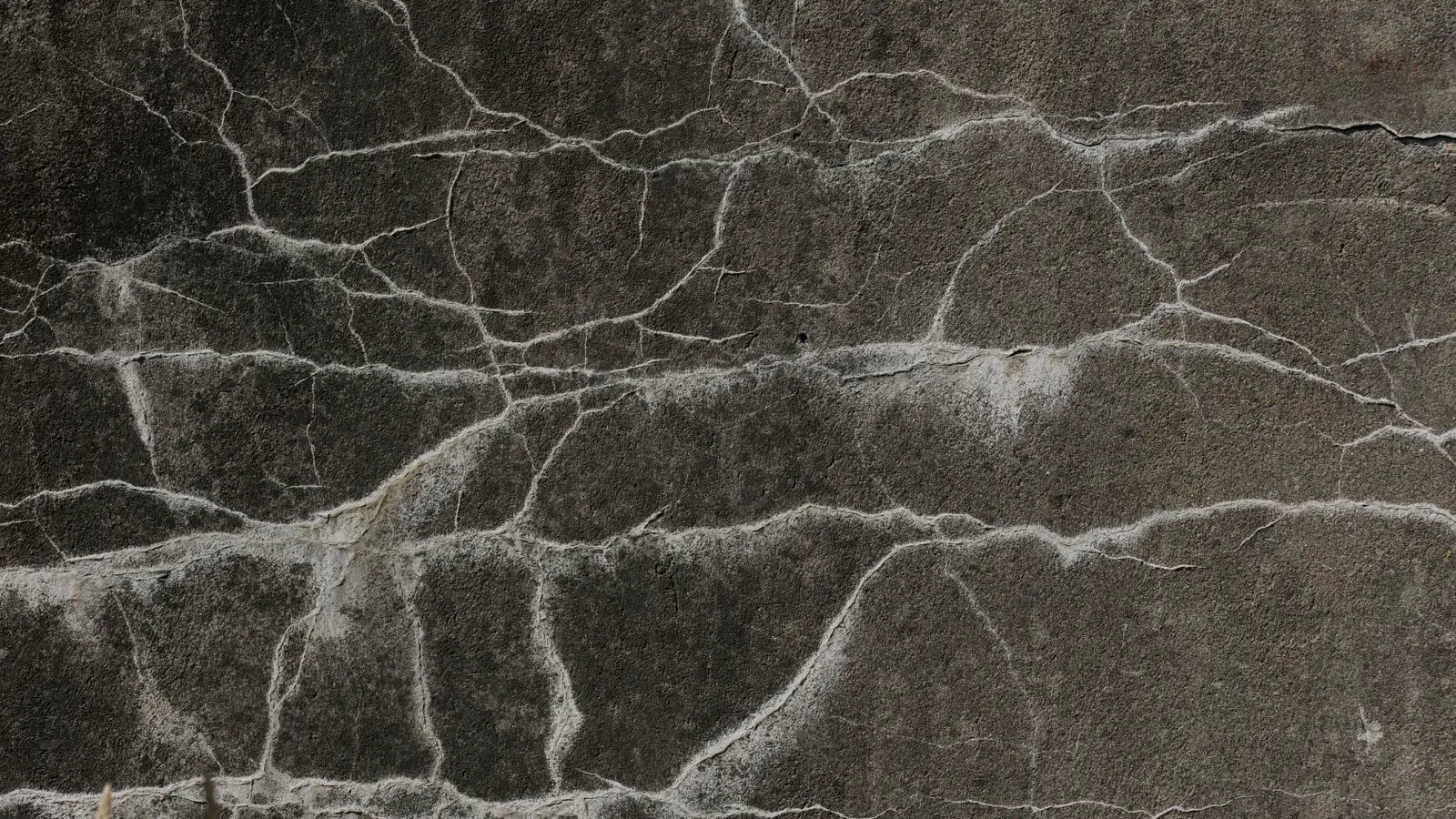
PVC cable insulation cracks due to heat stress, chemical exposure, mechanical damage, or poor installation. Inspect the cable for symptoms, isolate the section, and replace damaged insulation with new cable to restore safety and performance.
- Cracked insulation on PVC cables signals a need for immediate inspection and replacement.
- Heat, chemicals, and physical stress are the primary drivers of insulation degradation.
- Do not rely on temporary tape fixes for high-voltage or safety-critical circuits.
- Prevent future cracking by maintaining proper cable routing and environmental controls.
Identifying the Problem
PVC cable insulation cracking is a visible failure mode that points to deeper issues in the cable life cycle. When the outer sheath or inner insulation splits, the conductor is exposed to moisture and contaminants. This compromises dielectric strength and can lead to short circuits.
The symptom is rarely isolated to one spot. It usually appears along the length of the run where stress or heat is concentrated. A single hairline crack may seem minor, but it can propagate under load. Treat any visible splitting of the PVC as a defect that requires intervention.
Common Symptoms of Cracked Insulation
Before applying a fix, you must identify what you are looking at. The appearance of the crack helps narrow down the cause. Here is a breakdown of typical visual indicators.
| Symptom | Likely cause | What to do |
|---|---|---|
| Small, hairline cracks along the length | Thermal cycling or UV exposure | Replace the cable section. Check ventilation around the run. |
| Deep, jagged splits near bends | Mechanical stress or improper bending radius | Re-route the cable. Install new cable with larger bend radius. |
| White or chalky surface with cracks | Chemical attack or oxidation | Identify the chemical source. Replace cable with chemical-resistant insulation. |
| Cracks starting at cable connectors | Poor termination or vibration | Re-terminate the connection. Add strain relief. |
| Blisters or bubbles under the surface | Moisture ingress or manufacturing defect | Replace the cable. Inspect the installation environment for leaks. |
| Cracks across multiple cable types in one area | Systemic heat or chemical issue in the enclosure | Investigate the enclosure environment. Replace all affected cables. |
Thermal Stress and Heat Exposure
Heat is one of the most frequent causes of PVC insulation failure. PVC has a specific operating temperature limit. Exceeding that limit for extended periods softens the polymer matrix. The material loses elasticity and becomes brittle.
This process is accelerated by poor installation practices. Cables running too close to heating elements, motors, or electrical panels generate ambient heat. In tight conduit or cable trays, heat cannot dissipate. The insulation bakes from the inside out.
If you see cracking near heat sources, the problem is environmental. Insulation repair tape or adhesive will not fix a thermal issue. The heat will continue to degrade the material. The solution is to reduce the ambient temperature or replace the cable with a material that has a higher temperature rating.
Chemical Exposure and Contamination
PVC is sensitive to certain chemicals. Solvents, oils, greases, and some cleaning agents can attack the polymer structure. When the insulation is exposed to these substances, the surface weakens. It may feel soft or sticky before it cracks.
Common sources of chemical exposure include industrial process areas, mechanical workshops, and storage spaces. Spills on the floor or nearby equipment can migrate through dust. Even low concentrations over time can cause significant damage.
If the cracking appears in an area with heavy chemical use, identify the specific substance. Consult the chemical safety data sheet to confirm the compatibility with PVC. If the environment is harsh, consider a different insulation material that resists those specific chemicals.
Mechanical Stress and Physical Damage
Physical handling during installation can cause immediate cracking. PVC is relatively rigid compared to some other insulation materials. If you force a cable into a tight bend or pull it too hard, the insulation stretches beyond its limit.
Over time, vibration from motors or pumps can fatigue the insulation. This is common in industrial settings. The cable may look fine initially, but repeated flexing weakens the polymer bonds. Eventually, the stress becomes visible as cracks.
Check the routing of the cable. Look for sharp edges, tight corners, or points where the cable rubs against other surfaces. If the cable is being pulled through conduit without lubrication, friction creates heat and stress. Both factors contribute to insulation failure.
Improper Installation and Termination
Installation errors are a major source of cable defects. Bending a cable tighter than its minimum bending radius causes permanent strain on the insulation. This strain is often invisible until the cable is under load.
Improper termination can also lead to cracking. If a cable is pulled too tight into a connector, the stress concentrates at the entry point. The insulation splits right where the metal contacts the plastic. This is a common failure mode in power distribution boards.
Use appropriate tools and techniques. Do not pull on the conductor to seat the cable. Pull on the cable jacket. Ensure the bend radius is respected. Add strain relief at all termination points to distribute the mechanical load.
Moisture and Environmental Factors
Moisture ingress is a subtle but damaging cause of cracking. If water gets under the insulation, it can cause chemical reactions. The insulation may swell, then crack as it shrinks back. This is often seen in cables that have been exposed to condensation or flooding.
Salt air and high humidity also affect PVC. In marine or coastal environments, the salt in the air can corrode the conductor and weaken the insulation over time. The cracking may appear as a surface-level issue, but it is often a sign of deeper corrosion.
Inspect the installation environment for leaks or poor ventilation. If the cable is in a damp area, ensure it is rated for that environment. Replace cables that have been exposed to significant moisture. Do not assume that the insulation is intact if the surface looks dry.
Safe Resolution Steps
Resolving cracked cable insulation requires a systematic approach. You must isolate the affected section and replace it. Do not attempt to repair high-voltage cables with tape or adhesive. The risk of fire or electric shock is too high.
First, de-energize the circuit. Verify that the cable is dead using a voltage tester. Remove the damaged section of cable. Cut it back to a clean, undamaged area. Terminate the new section with appropriate connectors.
If the cable is part of a fixed installation, you may need to pull a new cable through the conduit. This is more labor-intensive but ensures a clean run. If the cable is removable, splice in a new section. Use approved splicing kits and ensure the joint is sealed.
After repair, test the circuit. Check for continuity and insulation resistance. Monitor the area for a period to ensure the problem does not return. Document the repair and the identified cause. This helps prevent recurrence.
Prevention Tips
Preventing cable insulation cracking is easier than fixing it. Start with proper selection. Choose a cable with an insulation material that suits the environment. If heat or chemicals are present, look for a higher temperature rating or a chemical-resistant insulation.
Plan the installation carefully. Respect bending radii. Avoid tight bends and sharp edges. Use cable ties and clamps to secure the cable, but do not overtighten. Add strain relief at all connections.
Maintain the installation environment. Keep heat sources away from the cable. Control humidity and prevent leaks. Keep the area clean to avoid chemical spills. Regular inspections can catch early signs of wear before they become failures.
Train your team on proper installation techniques. Many defects are caused by handling errors. Ensure that installers are trained on the specific cable types they are working with. Use the correct tools and follow the manufacturer’s guidelines.
When to Replace the Entire Cable
Sometimes, the damage is too widespread to repair. If the cracking is extensive or affects multiple cables in a single run, replacement is the only option. This is common in areas with systemic environmental issues.
If the cable is in a safety-critical application, do not attempt a partial repair. Replace the entire run. This ensures that there are no hidden defects. It also eliminates the risk of the problem returning.
Replacement is more costly upfront, but it prevents downtime and safety incidents. Calculate the total cost of ownership. A cheap repair that fails in six months is more expensive than a full replacement that lasts decades.
Choose a cable with a higher specification if the previous one was under-rated. This is an opportunity to upgrade the system. It may improve reliability and reduce maintenance needs.
Conclusion
Cracked PVC cable insulation is a clear indicator of a problem. It can be caused by heat, chemicals, mechanical stress, or poor installation. The fix is almost always replacement, not repair.
Identify the cause to prevent recurrence. Inspect the environment and the installation practices. Use the right cable for the job. Follow proper installation techniques. These steps will keep your cable system safe and reliable.
Frequently asked questions
Can I repair cracked PVC cable insulation with electrical tape?
No. Electrical tape is not a permanent fix for cracked insulation. It will not restore the dielectric strength and can fail under heat or load. Replace the cable section.
What is the main cause of PVC insulation cracking?
Heat exposure is the most common cause. Other factors include chemical attack, mechanical stress, and poor installation practices.
How do I know if the cable insulation is damaged?
Look for visible cracks, splits, or blisters. The insulation may feel soft or sticky. If the surface is chalky or white, it is likely degraded.
Can I use XLPE instead of PVC to prevent cracking?
XLPE has a higher temperature rating than PVC. It is more resistant to heat. However, it is stiffer and may not suit all installation environments. Check the specific requirements of your application.
How often should I inspect cable insulation?
Inspect cables regularly, especially in harsh environments. Annual inspections are a good baseline. Increase the frequency if the environment is changing or if you notice early signs of wear.